

The Secrets of the Vatican: A Deep Dive into Leaked Documents
The elusive “Vatican PDF” represents a persistent online quest for a single, comprehensive collection of all leaked Vatican documents, fueling speculation and digital dissemination․
The Vatican, steeped in centuries of history and power, naturally attracts intense scrutiny and speculation․ This fascination is amplified by recurring leaks of confidential documents, igniting public interest and prompting questions about transparency within the Holy See․ The idea of a singular “Vatican PDF” – a complete archive of these leaked materials – has become a potent symbol of this desire to uncover hidden truths․
This digital myth, circulating online, represents a yearning for a consolidated source of information, bypassing official narratives․ The pursuit of this comprehensive leak underscores a broader public demand for accountability and openness from an institution often shrouded in secrecy․ The scattered nature of released documents, as seen with the COSEA commission materials and books like “Merchants in the Temple,” fuels the search for a definitive collection․
Historical Context: A History of Leaks
The phenomenon of leaked Vatican documents isn’t new; it’s a recurring pattern stretching back decades․ While the concept of a single “Vatican PDF” is modern, driven by digital dissemination, the impulse to reveal internal workings has long existed․ The 2012-2013 leaks under Benedict XVI, detailed in Nuzzi’s “His Holiness,” demonstrated the potential for damaging revelations regarding internal power struggles and financial irregularities․
These earlier incidents paved the way for subsequent breaches, like those during Pope Francis’ papacy involving Lucio Angel Vallejo Balda and Francesca Chaouqui, and the publication of books like “Avarice․” Each leak, and the subsequent search for complete documentation, contributes to the evolving narrative surrounding Vatican secrecy and the elusive quest for a comprehensive, unified “Vatican PDF” archive․
Key Leaks and Scandals
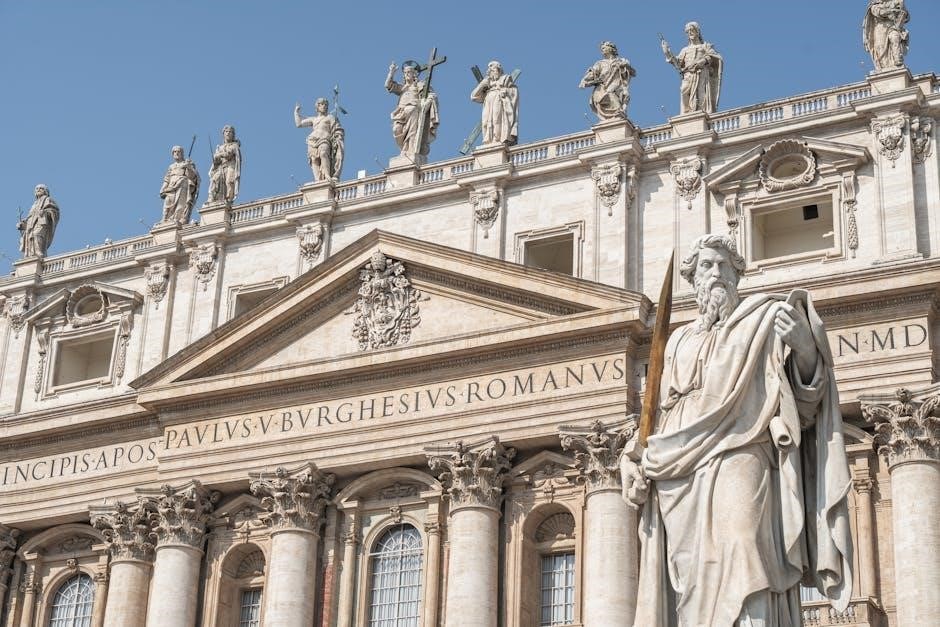
Significant scandals, like those involving Vallejo Balda and Chaouqui, fueled the demand for a complete “Vatican PDF,” exposing financial dealings and internal conflicts․
The Benedict XVI Leaks (2012-2013)
The 2012-2013 leaks, culminating in Gianluigi Nuzzi’s book His Holiness: The Secret Papers of Benedict XVI, ignited a firestorm․ These weren’t presented as a single, organized “Vatican PDF” initially, but rather a drip-feed of confidential correspondence surfacing publicly․ The leaked materials painted a picture of a Vatican grappling with internal strife, jealousy, and factionalism, prompting widespread scrutiny․
The scandal centered around Paolo Gabriele, Pope Benedict’s butler, identified as a key source․ The documents revealed a perceived lack of financial accountability and potential abuses of power within the Holy See․ While not a unified digital file at the time, the scattered information collectively fueled the desire for a comprehensive compilation – the conceptual precursor to the “Vatican PDF” as it would later be imagined online․
Paolo Gabriele and the “Merchants in the Temple” Scandal
Paolo Gabriele’s actions, leaking confidential documents, directly contributed to the narrative surrounding a potential “Vatican PDF” – though such a consolidated file didn’t exist at the time․ Nuzzi’s book, Merchants in the Temple (the English title for Via Crucis), utilized these leaks, exposing what Gabriele believed was corruption within the Vatican․
His motivation stemmed from a conviction that the Church was being harmed from within, echoing the biblical story of the “merchants in the temple․” While the information wasn’t initially circulated as a single downloadable document, the widespread publication of excerpts fueled public demand for complete transparency and, eventually, the idea of a comprehensive “Vatican PDF” containing all the exposed secrets․
Confidential Correspondence and Internal Conflicts
The leaked confidential correspondence, particularly during the Benedict XVI papacy, revealed a Vatican riddled with internal conflicts and power struggles – material that would later become central to discussions about a potential “Vatican PDF․” Nuzzi’s book, compiled from Gabriele’s leaks, showcased a network of jealousy and factionalism amongst high-ranking officials․
These private communications, detailing disagreements and anxieties, painted a picture far removed from the public image of unity․ The desire to access and disseminate all such correspondence contributed to the growing online fascination with a single, complete archive – the imagined “Vatican PDF” – offering a full, unvarnished view of the inner workings of the Holy See․
The Francis Papacy Leaks (2015-2021)
The leaks during Pope Francis’s papacy, involving Lucio Angel Vallejo Balda and Francesca Chaouqui, significantly fueled the search for a comprehensive “Vatican PDF․” These arrests, stemming from the leaking of information used in the books Via Crucis (Merchants in the Temple) and Avarice, demonstrated the sensitivity surrounding Vatican information․
The COSEA commission’s investigations into financial irregularities, revealed through these leaks, further intensified the demand for transparency and a complete record․ The idea of a single, accessible document – the “Vatican PDF” – became a symbol of this desire, representing a complete unveiling of Vatican secrets and financial dealings during this period․
Lucio Angel Vallejo Balda and Francesca Chaouqui Arrests
The arrests of Lucio Angel Vallejo Balda and Francesca Chaouqui in 2015 directly contributed to the burgeoning online interest in a consolidated “Vatican PDF․” Accused of stealing and leaking confidential documents related to the COSEA commission, their actions provided source material for publications like Merchants in the Temple and Avarice․
This event amplified the desire for a single, comprehensive collection of leaked Vatican information, a digital repository – the “Vatican PDF” – that would consolidate all revealed details․ The arrests underscored the perceived need for greater transparency and accountability, driving the demand for a complete, accessible record of the leaked materials․
The COSEA Commission and Financial Scandals
The Commission for Reference on the Organization of the Administrative-Financial Structure of the Holy See (COSEA) became central to the “Vatican PDF” narrative due to the financial irregularities revealed through leaked documents․ These leaks, exploited in publications like Avarice, detailed alleged scandals and questionable wealth within the Church․
The desire for a complete “Vatican PDF” intensified as the COSEA leaks suggested systemic financial mismanagement and a lack of accountability․ Individuals sought a consolidated source to understand the full extent of the alleged issues, fueling the online search for a single, comprehensive digital archive of all leaked Vatican information․
“Avarice” and the Revelation of Vatican Wealth
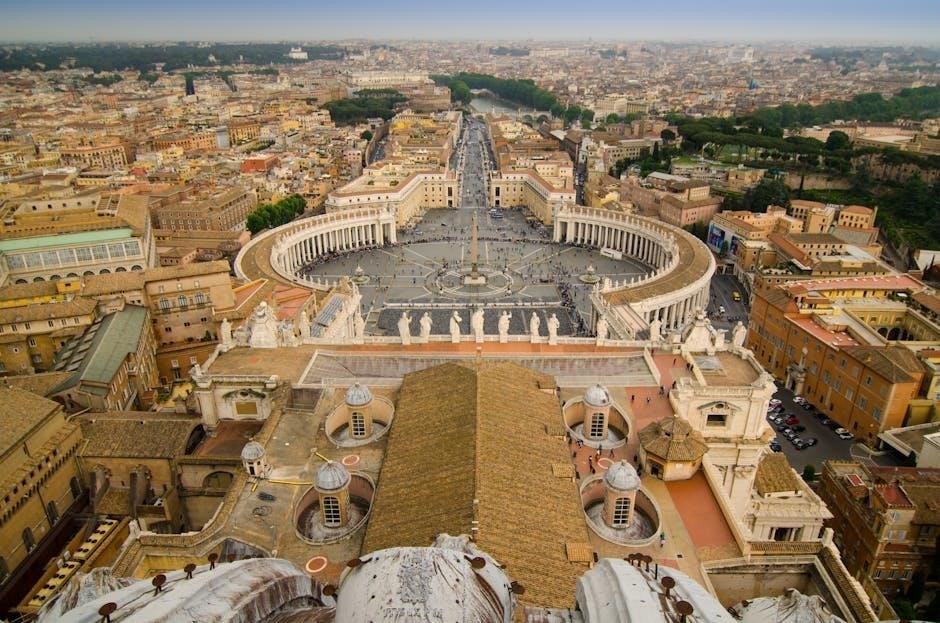
Gianluigi Nuzzi’s book, Avarice: The Papers that Reveal Wealth, Scandals and Secrets in the Church of Francis, significantly contributed to the demand for a complete “Vatican PDF․” The book, based on leaked COSEA documents, exposed details of Vatican finances, prompting widespread public interest and scrutiny․
The revelations within Avarice fueled the online pursuit of a consolidated digital archive – the “Vatican PDF” – allowing individuals to independently verify claims and explore the full scope of the alleged financial discrepancies․ The book’s impact underscored the public’s desire for transparency and access to information regarding the Vatican’s wealth․
The Latin Mass Controversy and Leaked Documents (2025)
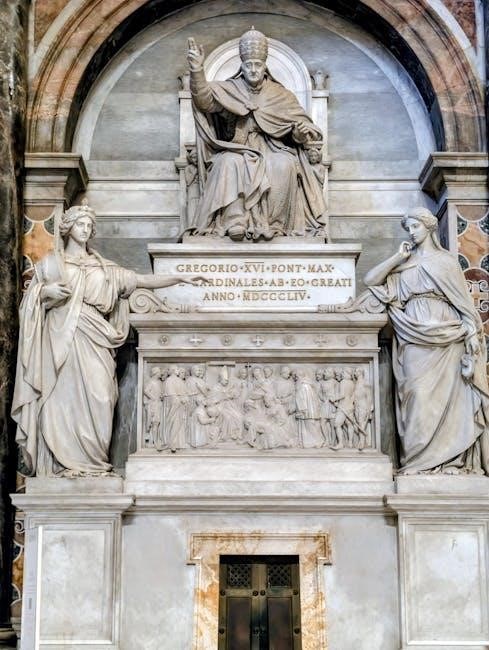
Leaked documents related to the Latin Mass fueled the search for a comprehensive “Vatican PDF,” aiming to reveal the full context of Pope Francis’ decision․
The Authenticity Debate: Vatican Response
The Vatican’s official response to the leaked documents circulating online, potentially forming a larger “Vatican PDF,” has been carefully measured․ Spokesman Matteo Bruni declined explicit confirmation of their authenticity, acknowledging they likely represent portions of evidence considered during Pope Francis’ 2021 decision regarding the Traditional Latin Mass․
Bruni characterized the released materials as “partial and incomplete,” suggesting they don’t offer a holistic view of the information informing the papal decision․ This cautious approach avoids outright denial while simultaneously downplaying the significance of the leak, implying the circulated documents are insufficient to challenge the rationale behind restricting the ancient liturgy․ The Vatican seems to prioritize controlling the narrative and preventing misinterpretations stemming from fragmented information potentially compiled into a comprehensive digital archive․
Partial and Incomplete Documents
The Vatican asserts that the leaked documents circulating – potentially forming the sought-after “Vatican PDF” – represent only fragments of a larger body of evidence․ Spokesman Matteo Bruni emphasized this incompleteness, suggesting the released materials offer a skewed and insufficient understanding of the context surrounding Pope Francis’ 2021 restrictions on the Traditional Latin Mass․
This characterization aims to diminish the impact of the leak, implying that a complete picture would reveal a more nuanced justification for the papal decision․ The Vatican’s stance suggests the documents lack crucial context, annotations, or accompanying materials necessary for accurate interpretation․ By labeling them “partial,” the Vatican attempts to control the narrative and prevent the formation of definitive conclusions based on incomplete information readily available online․
Bishops’ Perspectives on the Traditional Latin Mass
The leaked documents, contributing to the ongoing search for a complete “Vatican PDF,” appear to reveal a more positive assessment of the Traditional Latin Mass among many bishops than publicly acknowledged by Pope Francis․ These perspectives seemingly contradict the rationale presented for restricting the ancient liturgy in 2021․
The documents suggest bishops generally held favorable views, indicating a disconnect between their reported sentiments and the papal decision․ This discrepancy fuels speculation about the true motivations behind the restrictions and raises questions about the transparency of the decision-making process; The leaked information offers a glimpse into internal discussions, potentially reshaping the understanding of the controversy surrounding the Latin Mass and its place within the Church;
Recurring Themes in the Leaked Documents
Consistent across various leaks – and sought within the “Vatican PDF” – are allegations of financial mismanagement, power struggles, and a concerning lack of accountability․
Financial Irregularities and Lack of Accountability
The pursuit of the complete “Vatican PDF” is largely driven by a desire to expose alleged financial improprieties within the Holy See․ Leaked documents, particularly those utilized in Gianluigi Nuzzi’s Avarice, detail concerns regarding the handling of Vatican funds and a perceived absence of transparent accounting practices․ These revelations suggest a systemic issue where financial oversight is lacking, potentially enabling mismanagement and misuse of resources․
The COSEA commission’s investigations, as revealed through leaked materials, further highlighted these concerns․ The arrests of Lucio Angel Vallejo Balda and Francesca Chaouqui centered around the alleged theft and dissemination of documents pertaining to Vatican finances․ The “Vatican PDF” represents a hope for a consolidated view of these irregularities, offering a comprehensive picture of the financial landscape and accountability – or lack thereof – within the Vatican․
Internal Power Struggles and Factionalism
The quest for a complete “Vatican PDF” is fueled by the belief that leaked documents expose deep-seated internal conflicts and factionalism within the Vatican hierarchy․ Gianluigi Nuzzi’s His Holiness, compiled from confidential correspondence during Benedict XVI’s papacy, vividly portrays a Vatican riddled with jealousy, ambition, and competing power blocs․ These leaks suggest a climate where personal agendas often overshadowed institutional priorities․
The documents reveal a struggle for influence and control, impacting decision-making processes and potentially hindering the Church’s mission․ The “Vatican PDF” is seen as a means to fully understand the complex web of relationships and rivalries, offering a comprehensive view of the internal dynamics that shape the Vatican’s operations and contribute to a culture of secrecy and distrust․
Allegations of Abuse of Power
The pursuit of a complete “Vatican PDF” stems from the expectation that it will reveal further instances of abuse of power within the Church’s administration․ Leaked documents, as seen in Nuzzi’s Merchants in the Temple and Fittipaldi’s Avarice, hint at a system where individuals exploited their positions for personal gain and operated with a lack of accountability․
These allegations extend beyond financial irregularities, suggesting a broader pattern of manipulation and control․ The “Vatican PDF” is viewed as a potential source of evidence to substantiate claims of undue influence, cover-ups, and the silencing of dissenting voices․ Access to a comprehensive collection of leaked materials is believed to be crucial for uncovering the full extent of these alleged abuses and holding those responsible accountable․

The Impact of the Leaks
The ongoing search for a complete “Vatican PDF” continues to erode trust, amplifying calls for greater transparency and fundamental reforms within the Vatican’s structure․
Damage to Vatican Reputation
The persistent circulation of leaked Vatican documents, and the associated hunt for a complete “Vatican PDF,” has undeniably inflicted significant damage to the Holy See’s reputation․ The revelations of internal power struggles, financial irregularities, and allegations of abuse, disseminated online and through publications like Merchants in the Temple and Avarice, paint a picture of an institution grappling with systemic issues․
This erosion of trust extends beyond the Catholic faithful, impacting the Vatican’s standing on the global stage․ The very existence of a sought-after, comprehensive leak suggests a fundamental failure of internal security and confidentiality․ The ongoing debate surrounding the authenticity of specific documents, like those concerning the Latin Mass, further fuels skepticism and casts a shadow over papal decisions and justifications․
Calls for Transparency and Reform
The repeated breaches of Vatican confidentiality, and the resulting pursuit of a complete “Vatican PDF,” have amplified calls for greater transparency and comprehensive reform within the Holy See․ The leaked documents, detailing financial mismanagement and internal conflicts, have fueled demands for increased accountability and a more open governance structure․
Critics argue that the Vatican’s historical opacity has fostered an environment conducive to abuse and corruption․ The revelations surrounding the COSEA commission and the arrests of figures like Lucio Angel Vallejo Balda and Francesca Chaouqui underscore the need for robust oversight mechanisms․ Advocates for reform emphasize that genuine transparency is not merely about releasing information after a leak, but proactively embracing openness as a core principle of governance․
Impact on Papal Authority
The consistent surfacing of leaked Vatican documents, and the associated search for a complete “Vatican PDF,” undeniably impacts papal authority, eroding trust and fostering skepticism․ The disclosures of confidential correspondence, as seen in Nuzzi’s work, portray a Vatican grappling with internal power struggles and a perceived lack of accountability, challenging the image of unified leadership․
While the Vatican often dismisses leaked materials as partial or incomplete, the sheer volume and recurring nature of these breaches raise questions about the effectiveness of internal controls․ The leaks surrounding the Latin Mass controversy, for example, cast doubt on the rationale behind Pope Francis’ decisions, potentially diminishing his moral authority in the eyes of some faithful․
The Search for “The Vatican PDF”
The myth of a single, comprehensive leak – “The Vatican PDF” – persists online, driving the dissemination of fragmented information by reporters and journalists․
The Myth of a Single Comprehensive Leak
The idea of a singular “Vatican PDF” – a complete archive of all leaked documents – is largely a fabrication fueled by online speculation and the desire for a definitive source․ Instead, leaks have occurred incrementally, through various channels and involving different sets of documents․ These include materials related to the Benedict XVI and Francis papacies, as well as more recent disclosures concerning the Latin Mass controversy․
The pursuit of this hypothetical “PDF” reflects a yearning for complete transparency, but the reality is far more fragmented․ Information surfaces through books like Nuzzi’s “Merchants in the Temple” and Fittipaldi’s “Avarice,” alongside reports from Vatican journalists and online postings․ No single document encapsulates the entirety of the leaked information; it remains dispersed and piecemeal․
Dissemination of Information Online
Leaked Vatican documents rapidly proliferate online, often appearing on websites, forums, and social media platforms․ The fragmented nature of these leaks contributes to their widespread, yet often uncontrolled, dissemination․ Vatican reporters and journalists play a crucial role, publishing analyses and excerpts from the materials, but the original documents themselves are frequently shared independently․
The search for “The Vatican PDF” exemplifies this online spread, with individuals actively seeking and sharing links to available documents․ This decentralized distribution makes it difficult to track the full extent of the leaks and control the narrative․ The internet acts as both a catalyst and a conduit, amplifying the impact of these disclosures beyond traditional media channels․
The Role of Vatican Reporters and Journalists
Vatican reporters and journalists are central to interpreting and disseminating information stemming from leaked documents, including those sought after in “The Vatican PDF․” Figures like Gianluigi Nuzzi, author of “Merchants in the Temple,” and Emiliano Fittipaldi, with “Avarice,” have published books based on leaked COSEA commission documents, sparking significant controversy․
These journalists often receive documents from anonymous sources and navigate a complex landscape of verification and ethical considerations․ While the Vatican may decline to confirm authenticity, reporters analyze the content, providing context and revealing potential implications․ Their work fuels public debate and scrutiny, contributing to calls for greater transparency within the Holy See, despite facing potential repercussions․
Future Implications and Ongoing Concerns
The continued search for a complete “Vatican PDF” highlights the enduring need for transparency and raises concerns about future security breaches within the Vatican․
The Need for Increased Transparency
The recurring leaks, and the very existence of a sought-after “Vatican PDF” – a complete compilation of these documents – underscore a critical deficiency: a lack of systemic transparency within the Holy See․ The desire for such a consolidated file demonstrates public hunger for accessible information regarding Vatican finances, internal governance, and decision-making processes․
Currently, information is often fragmented, released piecemeal through journalists, or subject to selective interpretation by Vatican spokespersons, as seen with the Latin Mass documents․ A proactive approach to openness, including readily available financial reports and clear explanations of internal policies, could mitigate the incentive for future leaks and rebuild trust․ This isn’t simply about revealing secrets, but about fostering accountability and demonstrating a commitment to ethical conduct․
Potential for Further Leaks
Despite increased security measures following past incidents – like the arrests of Lucio Angel Vallejo Balda and Francesca Chaouqui – the potential for future leaks remains significant․ The continued online circulation of fragmented documents, and the enduring fascination with a complete “Vatican PDF,” suggest vulnerabilities persist․ The motivation for leaking information, whether driven by ideological concerns, personal grievances, or a desire for accountability, hasn’t disappeared․
Furthermore, the very structure of the Vatican – with its complex bureaucracy and numerous departments – creates opportunities for individuals with access to sensitive information․ Until fundamental reforms address the root causes of opacity and foster a culture of transparency, the risk of further disclosures, potentially even more damaging than those seen previously, will continue to loom large․
The Future of Vatican Security
The recurring leaks, and the pursuit of a complete “Vatican PDF,” necessitate a comprehensive overhaul of Vatican security protocols․ This extends beyond simply preventing the physical theft of documents; it requires robust digital security measures to safeguard sensitive information from unauthorized access and dissemination․ Investment in advanced cybersecurity infrastructure, coupled with rigorous employee training on data protection, is crucial․
However, technology alone isn’t sufficient․ A fundamental shift in culture, prioritizing transparency and accountability, is equally vital․ Strengthening internal controls, establishing clear reporting channels for misconduct, and fostering a climate where concerns can be raised without fear of reprisal are essential steps towards mitigating future risks and restoring trust․