
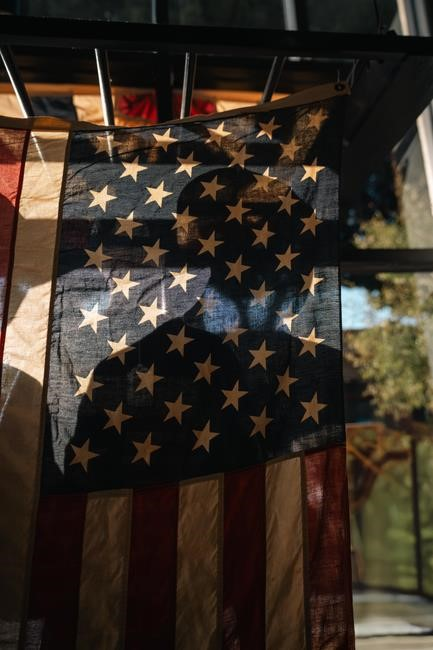
American Flag Printable PDF Overview
This section offers a concise overview of American flag printable PDFs, covering file format, resolution, and use cases such as classroom activities and DIY projects․ Downloadable PDFs are available from official sources and free online libraries, ensuring high‑quality, copyright‑compliant images․!!
Definition, Format, and Availability
An American flag printable PDF is a digital file that contains a vector or high‑resolution raster image of the U․S․ flag, formatted for easy printing on standard paper sizes․ The file is typically in Portable Document Format (PDF), which preserves vector shapes, color profiles, and layout across different operating systems and printers․ The flag image is usually scaled to 2 × 1 ratio, matching the official dimensions of 13 stripes and 50 stars, and is available in multiple resolutions: 300 dpi for high‑quality prints and 150 dpi for quick, low‑cost projects․ PDFs can be downloaded from government archives, educational repositories, or free‑image libraries, and many sites offer the file in both standard and “print‑ready” versions that include bleed marks and color‑managed profiles․ Because the PDF format is universally supported, it can be opened with Adobe Acrobat, Preview on macOS, or any modern browser, ensuring that teachers, hobbyists, and event planners can print the flag on any printer without compatibility issues․ The availability of the file is typically free, though some sites may require a short registration or offer a paid “high‑resolution” bundle for professional use․ Overall, the American flag printable PDF provides a convenient, accurate, and legally compliant way to obtain a printable version of the flag for educational, celebratory, or decorative purposes․
- National Archives: free PDF downloads with official specifications․
- National Association of Volunteer American Flag (NAVA): high‑resolution files for educational use․
- State Department websites: PDF versions tailored for local celebrations․
- Open‑source repositories: Creative Commons‑licensed flag images․

Official Sources for High-Quality Flag PDFs
Official sources such as the National Archives, NAVA, and state department websites provide high‑resolution, copyright‑compliant flag PDFs․ These PDFs are vector‑based, 300 dpi, and include bleed marks for print‑ready use․ Downloading from these sites ensures accuracy and legal compliance․ 2026!
National Archives, NAVA, and State Departments
National Archives, the National Archives and Records Administration (NARA), and the National Association of State Vexillologists (NAVA) are primary custodians of the U․S․ flag’s official imagery․ NARA hosts a digital repository with vector‑based PDFs of the flag in multiple resolutions, each stamped with the official 50‑star design, 13‑stripe pattern, and precise color specifications (Pantone 186C for red, Pantone 300C for blue, and white)․ These files are downloadable under a public‑domain license, allowing educators, designers, and hobbyists to use them without licensing fees․ NAVA’s website supplements these resources with a “Flag Design Toolkit” that offers editable SVG and PDF layers, enabling users to customize star placement for state or historical variants while preserving core proportions (a 1:2 flag ratio and a 30‑star width)․ State departments of transportation and tourism often provide their own flag PDFs for local events; for instance, the Texas Department of Transportation hosts a 4‑by‑6‑inch PDF that includes the state’s flag and the U․S․ flag side‑by‑side for comparative displays․ All official PDFs include a bleed margin of 0․125 inches to accommodate trimming, and a resolution of 300 dpi ensures crisp print quality․ The National Archives also offers a “Flag Style Guide” PDF that outlines proper placement, orientation, and spacing rules for printed materials, ensuring compliance with the U․S․ Flag Code․ By sourcing from these institutions, users guarantee that their printed or digital flags meet both aesthetic fidelity and legal standards, supporting educational outreach, civic celebrations, and professional design projects without risk of infringement․ These PDFs are also available in high‑resolution TIFF format for archival purposes․

Educational Applications of Printable Flag PDFs
Printable flag PDFs aid classroom projects, quizzes, and history lessons․ Teachers use them for Flag Day activities, student‑made flags, and visual aids that reinforce civics, geometry, and color theory․ They also support remote learning for student
Flag Day Activities, Classroom Quizzes, and History Lessons
Students can begin the lesson by examining a high‑resolution printable flag PDF, noting the precise arrangement of stars and stripes that reflects the nation’s history․ A common activity involves cutting out the stars and arranging them on a grid to form a 50‑star field, reinforcing spatial reasoning and the concept of symmetry․ Teachers often pair this with a quick quiz that asks students to match each state’s admission year to its appearance on the flag, encouraging research skills and a deeper appreciation for the country’s expansion․ In history lessons, the printable PDF serves as a visual anchor for discussions about the Civil War, the Civil Rights Movement, and the evolution of national symbols․ By overlaying historical photographs onto the flag template, students can analyze how the flag’s imagery has been used in protest and celebration․ Additionally, the PDF can be incorporated into a project where students design their own “future flag,” using color theory and symbolism to represent contemporary values․ The activity culminates in a classroom exhibition, allowing students to present their designs and explain the choices behind each element․ Throughout the unit, the printable flag PDF remains a versatile resource, enabling educators to blend art, geography, and civics into a cohesive learning experience that celebrates heritage while fostering critical thinking․
Celebrate learning!․

Crafts and Creative Projects Using Printable Flags

Students create DIY flags by cutting printable PDFs, then painting or adding glitter for a personal touch․ Coloring pages featuring the flag, bald eagle, and Capitol inspire art projects․ These activities combine creativity with history, making learning engaging and memorable․ Students share online!!․
Coloring Pages, DIY Flags, and Classroom Art
Printable American flag PDFs serve as versatile resources for classroom art projects․ Teachers can distribute high‑resolution flag images for students to color, cut, or transform into three‑dimensional displays․ By layering translucent paper or adding metallic foil, learners explore texture and color theory while reinforcing patriotic symbols․ These activities also support fine‑motor skill development, as children practice cutting along precise lines and aligning stripes accurately․ Additionally, students can create personalized flags by incorporating school mascots or local landmarks, fostering creativity and community pride․ The PDFs are available in standard 8․5×11 inches, ensuring compatibility with most printers and classroom supplies․ When printed on matte cardstock, the flag’s colors remain vibrant, and the paper’s weight provides durability for repeated handling․ Teachers can also integrate digital tools, such as graphic tablets, to allow students to trace and color the flag digitally before printing, blending traditional and modern techniques․ This blend of hands‑on and digital art encourages interdisciplinary learning, linking history, art, and technology․ By the end of the project, students present their finished flags in a classroom exhibition, promoting discussion about national symbols and artistic expression․ The printable PDFs can be customized with different background colors or patterns, allowing educators to tailor the activity to specific themes such as environmental awareness or cultural heritage․ For instance, a green background can prompt discussions about conservation, while a blue backdrop may highlight maritime history․ By varying the context, the same flag image becomes a springboard for diverse lesson plans․ Furthermore, the PDFs can be shared electronically, enabling remote students to participate in virtual art sessions․ Instructors can host live workshops where participants color the flag in real time, fostering collaboration across distance․ The use of printable flag PDFs also aligns with educational standards that emphasize visual literacy and creative expression․ As students annotate their creations with captions or short reflections, they practice writing skills and critical thinking․ The final display can be photographed and archived digitally, creating a lasting record of student work that can be revisited in future classes․ Parents and community members are encouraged to attend the exhibition, where they can view the array of student artworks and discuss the significance of the flag in everyday life․ Educators can also compile a digital gallery of the finished works, allowing students to reflect on their creative process and share their projects with a wider audience thereby extending the learning experience beyond the classroom walls․!!!!!
Printing Guidelines for Optimal Quality
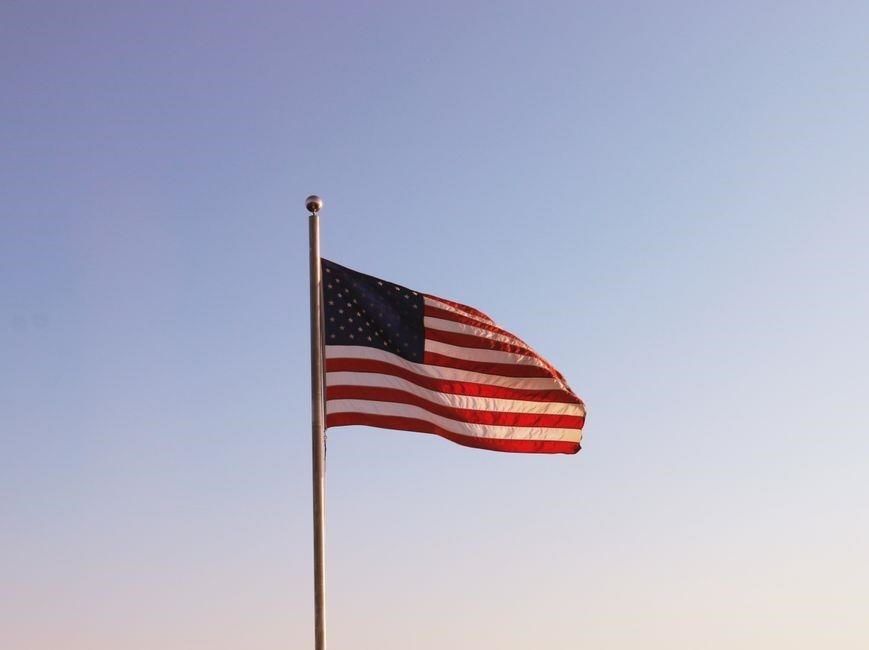
Use 300‑dpi resolution for crisp stripes, CMYK color mode for accurate red, white, blue, and matte cardstock to avoid glare․ Print on a calibrated monitor, check bleed margins, and preview before final output․ Use 300‑dpi, 0․125″ bleed, gloss finish!
Resolution, Color Management, and Paper Choices
For a flawless American flag print, begin with a 300‑dpi raster image or vector file exported to PDF․ Vector PDFs scale without loss, ensuring crisp stars and stripes at any size․ When rasterizing, keep the resolution above 300 dpi; lower values produce pixelated edges that distort the flag’s iconic design․
Color accuracy is critical․ Convert the PDF to CMYK before printing, as RGB colors shift on paper․ Use a calibrated monitor and a color‑managed workflow (ICC profiles for your printer and paper)․ The flag’s red should match Pantone 186C, blue Pantone 281C, and white remains pure․
Paper selection affects visual impact․ Matte cardstock (80–120 lb) gives a dignified, non‑glossy finish that highlights the flag’s texture․ For a more formal look, use satin or semi‑gloss stock (120–150 lb) to enhance the blue’s depth․ Avoid glossy stock unless a reflective effect is desired․
Bleed and trim: add a 0․125‑inch bleed around the edge and trim to the final size (e․g․, 24×36 in for a standard flag)․ This prevents white borders after cutting․ Test print on a small scale before full production to confirm color fidelity and edge alignment․
Printer settings matter․ Choose the highest quality print mode, enable color management, and set the paper type to match your stock․ Duplex printing should be used only for flags that require it; otherwise, single‑sided ensures the front side remains crisp․
After printing, allow the ink to dry for at least 24 hours before handling․ Store the flag flat in a cool, dry place to prevent curling․ For long‑term preservation, consider mounting on a stiff backing or framing with UV‑resistant glass․ Share it with classmates or display in a classroom to inspire pride․ It also serves as a teaching tool for color theory
Legal Aspects and Proper Flag Etiquette
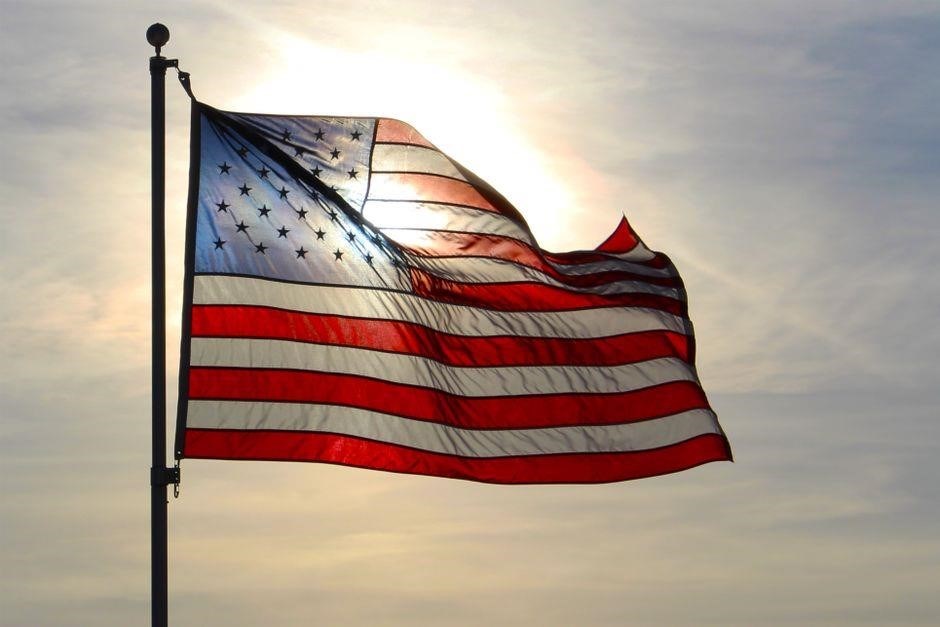
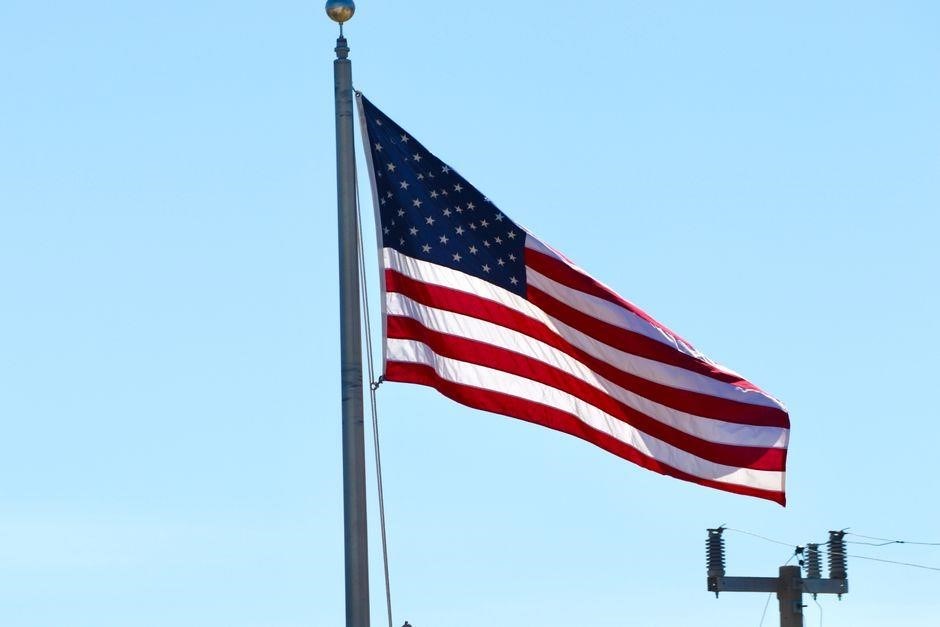
The U․S․ flag is protected by federal law․ Printable PDFs may be used for education, but commercial use requires permission․ Display the flag with respect: keep it upright, avoid placing it over text, and never fold or damage it․ Follow U․S․ Flag Code for proper etiquette․ Prints should be displayed flat clean

Copyright Restrictions and Display Standards
Always verify the source: U․S․ government websites (e․g․, archives․gov) provide authentic, whereas third‑party sites may impose licensing fees usage restrictions․

Distribution and Sharing of Printable Flag PDFs
Printable flag PDFs can be shared via school portals, community websites, and free libraries․ Always respect copyright, use official government links, and provide proper attribution․ Avoid commercial use without permission, and keep files in PDF/A format for archival stability․Use responsibly,share․
Free Online Libraries, School Resources, and Community Share
Public institutions host free repositories of high‑resolution flag PDFs for educators and hobbyists․ The U․S․ National Archives offers an official database, while the National Association of State Vexillologists (NAVA) curates state‑approved designs․ Schools partner with libraries to create digital media rooms, providing students with PDFs for projects, quizzes, and displays․ Community centers host workshops that distribute printable flags for patriotic celebrations, ensuring materials are freely available and properly licensed․ When sharing PDFs, keep file sizes under 5 MB for quick downloads and embed a watermark or citation to avoid misuse․ Many online platforms, such as the Creative Commons‑licensed “Flag Library” on Flickr, allow educators to embed images directly into lesson plans, while open‑source tools like GIMP can modify PDFs for classroom use without violating copyright․ Leveraging these resources enriches curricula with authentic flag imagery, promotes civic engagement, and offers hands‑on activities that reinforce history and design skills․ Community sharing encourages collaboration among educators, exchanging lesson plans, printable worksheets, and creative projects that celebrate the flag’s symbolism․ Always verify that sources comply with the U․S․ Flag Code and that PDFs meet resolution requirements for print and digital use, ensuring respectful display and accurate, engaging content for all learners․
State departments host PDF kits with flag images, timelines, quizzes, and worksheets․ These kits align with curriculum standards and are shared via Google Classroom or Teams for collaborative projects․ Cloud services should set permissions to prevent misuse․ Community galleries let members upload flag artwork, fostering pride․ These resources create engaging learning experiences that honor heritage while developing research and design skills․
Use responsibly, share with peers!!